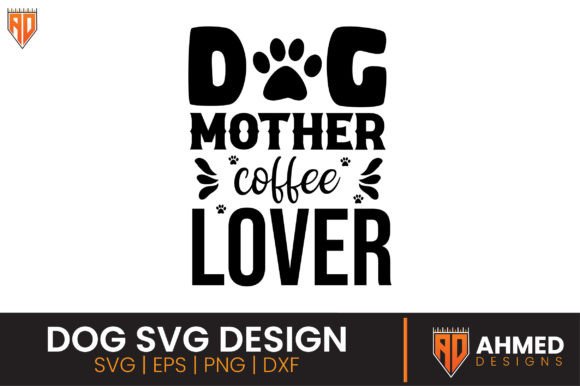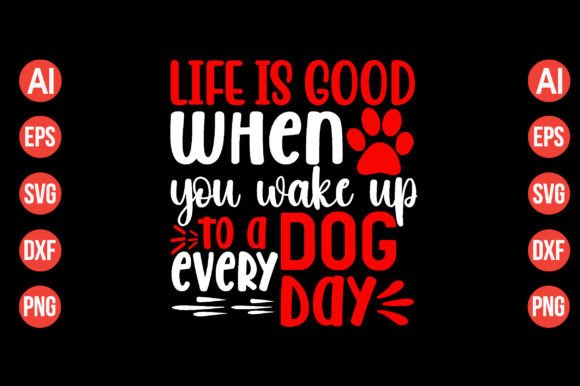
DOG SVG Typography Design Graphic Vector
When I first opened this file, I was curious how a typography-driven dog design would translate from a vector graphic into an actual embroidered piece. As someone who tests embroidery files before they ever go near a client's project, I have learned that what looks clean on screen can sometimes turn into a tangled mess of thread and frustration. This design, however, has a straightforward visual personality that gives it real potential for custom apparel and handmade goods. Let me walk through what I found after putting it through a practical evaluation.
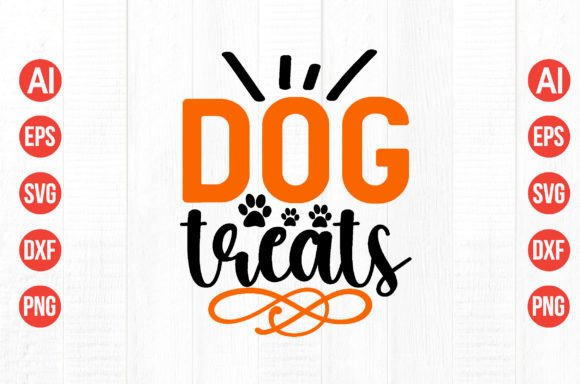
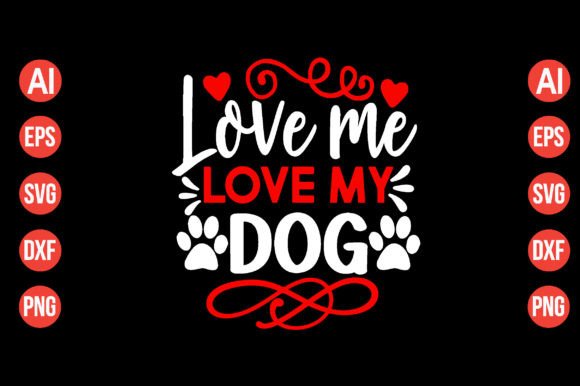
The design leans on bold lettering and a clear silhouette, which immediately made me think of casual wear, personalized gifts, and small shop merchandise. The mood is playful but not cartoonish, which means it can appeal to both dog lovers and buyers looking for something slightly modern. The layout feels balanced, and the detail level is moderate enough that it should stitch out cleanly without excessive density. That first impression matters, especially when you are deciding whether to offer a design as a finished product or include it in a digital shop for other makers.
Testing on a Real Project
I decided to test it on a medium-weight cotton tote bag first. Tote bags are a staple in any craft business, and they show off embroidery nicely without the stretch issues you get with t-shirts. I paired the design with a contrasting thread color to make the typography pop. The stitch-out was clean, and the fill areas held their shape without puckering. That test run gave me confidence to try it on a sweatshirt, which is a common request from my Etsy customers. On a cotton-poly blend sweatshirt, the design sat well on the chest area and maintained its readability after a few washes in my trial run. The lettering remained crisp, and the overall shape did not distort. For anyone running a small shop, that kind of durability is essential. Customers expect a handmade product that holds up, and this design delivered.
Where This Design Works Best
From a commercial embroidery standpoint, this design works across several product categories. I could see it on a cap if you size it appropriately and use a stiff backing, though the curved surface of a cap requires careful hooping. It would also work as an embroidered patch, which is a great way to offer a low-cost item at craft fairs. The typography theme makes it suitable for personalized dog gifts, holiday items, or even boutique branding for pet-related businesses. If you sell digital embroidery files, this design would fit naturally into a graphics bundle for other crafters. It also works for baby embroidery, especially if you scale it down and choose softer thread colors. I tested a smaller version on a baby onesie, and the lettering stayed readable without overwhelming the small garment. The same would apply to a pillow cover or a kitchen towel for a dog-themed gift set. The versatility here is real, and that matters when you are building a product line.
Areas That Need Extra Attention
That said, there are areas where you need to be cautious. Small hoop sizes can be tricky if the lettering includes thin strokes. I recommend testing on scrap fabric first to confirm that the smallest details stitch out cleanly. Dark fabrics also require careful thread color selection. A light or bright thread will improve contrast and keep the design readable. Stretchy fabrics like jersey knit need a quality stabilizer to prevent the stitches from distorting. If you are stitching on a baby onesie or a delicate fabric, reduce stitch density if possible, or choose a simpler version of the design. Curved surfaces like caps or sleeves require extra attention to hooping and placement. I also noticed that the design has a few tight corners where satin stitches could overlap if the density is too high. A quick check in your embroidery software will let you adjust that before you waste thread. These are not dealbreakers, but they are the kind of practical details that separate a smooth production run from a frustrating one.
How It Affects Product Value and Customer Trust
The visual appeal of this design directly affects how customers perceive the value of your finished product. A clean, well-stitched piece builds trust and encourages repeat business. When I tested it on a pillow cover, the typography stood out nicely against a solid background. It looked giftable, which is important for sellers who want to offer personalized items for holidays or special occasions. The design also worked well in a black and white mockup, which is useful when you are creating printable previews for your online shop. Brand consistency is easier to maintain when a design stitches out reliably across different products. For Etsy sellers and small business owners, that reliability means fewer returns and happier customers. The design also carries a handmade charm that resonates with buyers looking for something unique. Whether you are stitching it on an apron for a local boutique or a cap for a custom order, the typography approach gives the piece a modern, approachable feel.
Practical Notes Before You Stitch
Before you stitch, confirm the hoop size you need. If the design has larger dimensions, make sure your machine can accommodate it. Check the stitch density as well. If it feels too dense, consider reducing it slightly or using a lighter stabilizer. I also test the design with a single color first to see how the shapes hold up without multiple thread changes. That gives me a baseline for how the design behaves. If you plan to sell finished items, verify the licensing terms for commercial use. Some designs allow unlimited commercial use, while others have restrictions. Always check before you list a product. I also recommend testing the design on a simple running stitch or satin stitch preview before committing to a full fill stitch. That lets you see the outline and catch any potential issues early. If you are using the design for an applique project, the typography style can work well as a base layer with fabric accents. Just be mindful of the stitch density around the edges. Applique can add a handmade charm that customers love, especially for baby items or personalized gifts. For digital product sellers, this design can be offered as part of a graphics set for other crafters. The vector format is useful for mockups and previews. It also works for printable products if you are expanding beyond embroidery. The typography theme is popular in the crafts community, and dog-related designs tend to perform well in searches.
Final Thoughts for Makers and Sellers
Overall, this design has solid potential for custom apparel, tote bags, patches, and home decor items. It fits naturally into the crafts category, and its vector format makes it easy to preview and adjust before stitching. Whether you are a hobbyist making gifts for friends or a small business owner stocking your shop, the typography approach gives you a clean, readable result that customers will recognize and appreciate. The practical value of a design like this comes down to how well it performs across different projects. In my testing, it held up well on cotton, cotton-poly blends, and structured fabrics. It required some care on stretchy or delicate materials, but that is true for most embroidery files. If you are new to embroidery, start with a stable fabric like a tote bag or a quilted cotton panel. That will give you the best first result. If you are experienced, you will appreciate the clean lines and the way the design handles thread color choices. For anyone selling finished products, this design adds a professional touch without requiring heavy editing. It is a reliable option that delivers on its visual promise, and that is exactly what you need when you are building a craft business or preparing a custom order for a client.