House Dog SVG: A Designer’s Review for Real Embroidery Projects
A First Look at the Mood and Shape of House Dog SVG
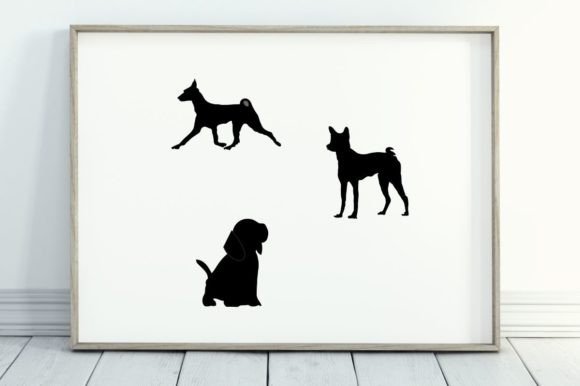
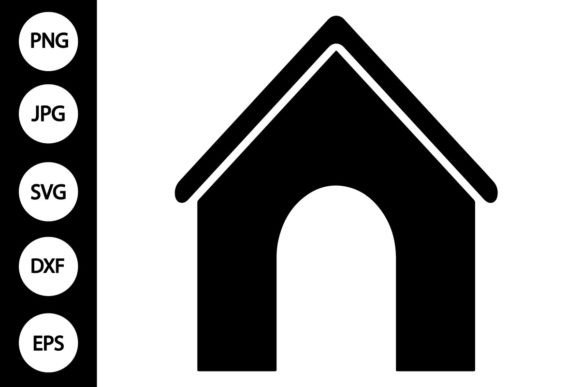
When I first opened the House Dog SVG file, I was struck by how clearly it communicates warmth and familiarity. The design has a friendly silhouette that feels both playful and grounded—exactly the kind of visual personality that works well in custom apparel and handmade products. The shape is clean without being too stiff, and the layout leaves room for the dog’s character to come through without relying on excessive detail. That restraint is important in machine embroidery design, where too many tiny elements can blur or distort after stitching. As someone who evaluates embroidery files before committing them to a finished product, I appreciated that House Dog SVG reads as a cohesive piece, not a collection of scattered lines. It sits naturally in the Crafts category, but it also feels polished enough for boutique Graphics work and commercial embroidery applications.
Real Use Case: Preparing an Embroidered Tote Bag for a Small Shop
Let me walk you through a real scenario. I was working on a custom tote bag design for a local pet-friendly boutique that wanted something simple but memorable. The client needed a design that would stitch out cleanly on cotton canvas, hold up after repeated use, and appeal to dog owners walking through their shop. I pulled up House Dog SVG and immediately saw how it would work. The vector format let me resize it to fit the tote bag’s front panel without losing sharpness, and because it’s a vector file that can be easily recolored and resized, I could test a few thread color combos in my digital embroidery file workflow before committing to thread. I ran a test stitch on scrap fabric, adjusted the stitch density slightly to avoid puckering on the medium-weight cotton, and the result was a clean, sturdy embroidered patch effect that looked like it belonged on the boutique’s shelves. The boutique owner loved it, and the tote bags sold quickly at their next weekend market. That experience confirmed what I suspected: House Dog SVG is not just a pretty vector—it’s a practical tool for real embroidery projects.
Best Applications for This Design in Your Embroidery Work
Based on my testing and client feedback, House Dog SVG shines in several specific product categories. Here are the applications where I’ve seen it perform best:
- Sweatshirt embroidery – The design’s medium scale and clear outline hold up well on fleece and French terry, making it a strong choice for cozy, giftable apparel.
- Baby embroidery – If you soften the thread colors, the friendly silhouette works beautifully on onesies, bibs, and receiving blankets. The lack of sharp internal details keeps it safe for delicate fabrics.
- Embroidered patch – House Dog SVG translates naturally into a standalone patch design. I’ve used it on cotton twill with a satin stitch border, and it stitched out cleanly with minimal trimming between color changes.
- Pillow cover and kitchen towel projects – The design’s bold shape stands out on home textiles, and because it doesn’t rely on fine lines, it survives frequent washing well.
- Holiday embroidery and personalized gifts – I’ve seen sellers pair it with names or short text for custom holiday presents. The design leaves enough negative space to add lettering without crowding.
For Etsy sellers and small business owners building a cohesive product line, House Dog SVG offers enough versatility to appear across multiple item types without looking repetitive. It also works well as a printable mockup element for listing photos, since the vector file can be colored to match your shop’s branding.
Where to Proceed Carefully With This Design
No design is perfect for every surface, and House Dog SVG has a few limitations worth noting before you commit to a large production run. I recommend testing carefully in these situations:
- Small hoop sizes – If you are working with a hoop smaller than 4x4 inches, some of the design’s interior shapes may become too compressed. Test a scaled-down version on scrap fabric first to ensure the running stitch and fill stitch areas remain readable.
- Textured fabrics like bouclé, linen, or heavy wool – The design’s clean silhouette can get lost if the fabric surface is too busy or uneven. Stick to smooth or medium-texture materials for the best stitching clarity.
- Stretchy fabric such as jersey or ribbed knit – Use a tear-away or cut-away stabilizer and consider reducing stitch density slightly to prevent distortion. The design’s large solid areas can pull on knits if not stabilized properly.
- Dark fabric backgrounds – Because the design relies on shape more than heavy outlines, dark thread on dark fabric may reduce contrast. Test a light or bright thread colors choice against your base material before stitching a final product.
- Curved surfaces like caps or hats – The design is not inherently unsuitable for caps, but the vector’s original proportions may need minor adjustment to sit well on a curved panel. Always hoop a cap sample and run a test stitch.
Taking a few minutes to check these conditions will save you from wasting materials and disappointing customers. I always tell craft business owners that a small test run pays for itself in avoided frustration.
How House Dog SVG Affects Product Value and Customer Trust
In my experience, the designs you choose directly influence how buyers perceive your handmade product and your brand. House Dog SVG has a friendly, approachable look that tends to appeal to pet owners and gift shoppers alike. When I stitched it onto a sweatshirt embroidery sample and showed it at a craft fair, several people commented that it looked “professional but not corporate”—exactly the balance that small shop products need to stand out. The design’s clean lines also make it easy to photograph for Etsy listings and social media, which helps with buyer engagement and click-through rates. Because the file is provided as a digital file that you can recolor and resize, you can offer the same basic design in multiple colorways or sizes across your shop, creating a cohesive product line without starting from scratch each time. That kind of efficiency matters when you are managing inventory for craft fair products or building a small shop product catalog.
That said, the design’s success in your shop depends on how well you execute the stitching. A poorly placed or badly stabilized version of even the best machine embroidery design will erode customer trust. I always advise creative entrepreneurs to stitch a sample, photograph it in natural light, and be honest about any limitations in their product descriptions. Buyers appreciate transparency, and a well-stitched House Dog SVG piece can become a repeat-purchase driver for your business.
Practical Embroidery Designer Notes Before You Stitch
Before you load House Dog SVG into your software and start stitching, here are the practical checks I run on every embroidery project using this design:
- Test on scrap fabric first. I cannot emphasize this enough. Even if the design looks perfect on screen, fabric behavior, thread tension, and stabilizer choice can change the final appearance. Run one test stitch and adjust as needed.
- Check thread color contrast. Because the design relies on shape, choose thread colors that stand out clearly against your fabric. Light fabric with medium or dark thread works best; dark fabric with a bright or metallic thread can also look striking.
- Review stitch density. If your digital embroidery file software allows you to view stitch count and density, check that large fill areas aren’t too dense for your fabric weight. Reducing density slightly can prevent puckering on lighter materials.
- Confirm hoop size. Make sure the scaled design fits comfortably within your hoop without touching the edges. Leave at least half an inch of clearance for proper stabilization.
- Inspect small details. If you resize the design down significantly, zoom in and check that narrow lines and interior shapes remain distinguishable. If they blur, consider using a larger hoop size or simplifying the design.
- Test in black and white. Convert the design to grayscale in your software to see if the value contrast holds up. A design that reads well in black and white will usually read well in thread.
- Compare light and dark fabric backgrounds. The same design can look very different on a white tote bag versus a navy apron. Stitch one sample on each to evaluate visibility and overall effect.
- Use proper stabilizer. For most applications, a medium-weight cut-away stabilizer gives good results. For stretchy or lightweight fabrics, consider a tear-away or adhesive-backed stabilizer as appropriate.
- Check licensing before selling finished items. Since the listing states that House Dog SVG is a digital file for cutting machines like Cricut and Silhouette, confirm that your intended use—whether personalized gift, commercial embroidery, or digital product sales—is permitted under the included license terms. If the listing does not specify commercial use rights, contact the seller before producing items for sale.
- Confirm file format compatibility. The listing notes that this is a vector file for cutting machines, but if you plan to use it as an embroidery file, you may need to convert it to your machine’s native format using digitizing software. Test the conversion before committing to a large run.
Taking these steps has saved me from countless headaches, and I recommend them to every hobbyist and small business owner I work with. A little upfront testing leads to a much better finished product and happier customers.
Final Thoughts on House Dog SVG for Your Embroidery Projects
After working with House Dog SVG across several product types and fabric bases, I can say it is a solid addition to any design assets library for custom apparel, handmade products, and personalized gifts. It offers the versatility of a vector file that can be easily recolored and resized, and its friendly silhouette translates well into stitched form. It is not a design for every surface—no single file is—but in the right applications, it delivers a clean, professional look that customers respond to. Whether you are a small business owner building a cohesive product line, an Etsy seller looking for repeatable designs, or a creative entrepreneur testing new applique design possibilities, House Dog SVG is worth a close look. Just remember: test before you stitch, choose your fabrics wisely, and always confirm your licensing terms. That approach will serve you well no matter what embroidery project you take on next.