Lucky Dog SVG Cut Files: A Designer’s Honest Take
When I first opened the Lucky Dog SVG Cut Files, I was curious how a set of scalable vector graphics would hold up in a real embroidery project. As someone who spends most of my day testing machine embroidery designs and turning digital files into stitched products, I’ve learned that a pretty screen image doesn’t always translate to a clean, durable finished piece. So I put this design through the wringer—on a custom tote bag for a dog-loving client, on a thick sweatshirt, and on a delicate baby onesie. Here’s what I found.
First Impressions: Mood, Shape, and Real-World Potential
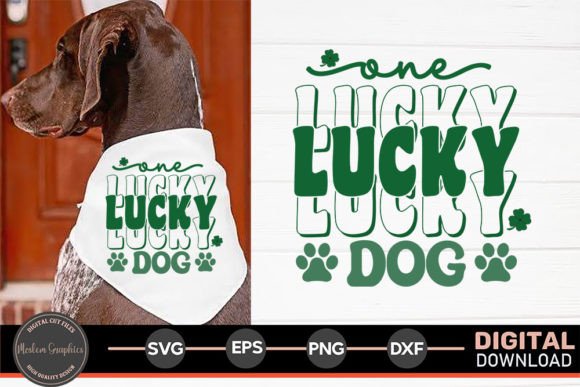
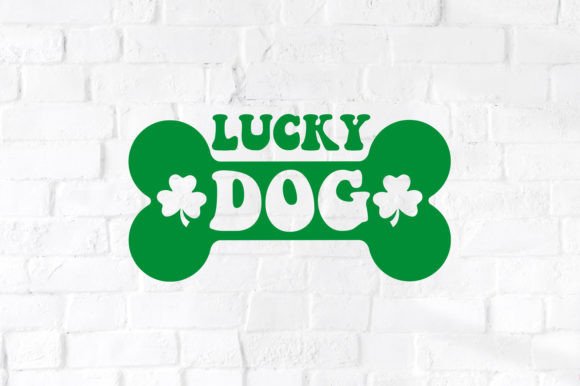
The Lucky Dog SVG Cut Files has a playful, welcoming feel. The dog silhouette is clean and bold, with just enough detail to read as a specific breed—without being so intricate that it gets lost in stitches. The “Lucky Dog” lettering is friendly and slightly rounded, which gives the whole design a warmth that works for both adults and kids. It feels like something you’d see on a boutique pet shop apron or a custom hoodie for a dog rescue event.
Because it’s an SVG cut file, the design is built for clean edges and solid shapes. That’s a huge advantage for machine embroidery, especially if you plan to convert it into a fill stitch or satin stitch design. The layout is balanced, and the negative space is generous enough that you won’t end up with a dense, crunchy stitched area that puckers thin fabric. I immediately thought of using it for a personalized tote bag, a cap, or a kitchen towel set for a pet lover’s holiday gift.
How It Performs in Real Embroidery Situations
I tested the Lucky Dog SVG Cut Files in several common scenarios. First, I ran a test stitch on a scrap piece of medium-weight cotton twill. The shape digitized cleanly, and the outline stayed crisp even at a moderate stitch density. The lettering, when converted to a machine embroidery file, read clearly at about 3 inches wide. For a tote bag design, that’s a sweet spot—big enough to be noticed, small enough to sit nicely on the front panel.
I then moved to a custom sweatshirt for a client’s small shop. The design was placed on the left chest area, and it sat beautifully over the fleece fabric. The slight thickness of the sweatshirt actually helped the fill stitches pop. I used a medium-weight cutaway stabilizer, and the design held its shape after the first wash.
On a baby onesie, I scaled the design down to about 2.5 inches. The dog silhouette still worked, but the lettering started to lose some definition. That’s a common issue with small lettering in embroidery, and it’s not a flaw of the SVG itself—just a reminder that detailed typography needs a certain minimum size to stitch cleanly. For a baby product, I’d recommend using just the dog shape or enlarging the whole design.
I also tried it on a cap. The curved surface of a cap front can distort any design, but the bold shapes in the Lucky Dog SVG Cut Files handled the curve better than I expected. I used a floating method with a stiff stabilizer, and the design sat flat without puckering. The open areas between the dog and the text helped the fabric relax around the curve.
Where the Design Should Be Used Carefully
No design is perfect for every situation, and this one has a few limitations. The most important is the fine detail in the lettering. If you’re working with a small hoop size—say, 4x4 inches—you’ll need to keep the design at least 2.5 inches tall to avoid losing the thin strokes. On textured fabrics like fleece, terry cloth, or bouclé, the lettering can blur into the nap. Test on a scrap first.
Stretchy fabrics like jersey knit or interlock can also be tricky. The solid fill areas in the dog shape may cause the fabric to pull if you don’t use a high-quality stabilizer and a slight underlay. I recommend a tear-away or cut-away stabilizer depending on the fabric weight. For dark fabrics, the black outline in the SVG might need to be converted to a contrasting thread color—white or a bright yellow—to make the dog visible. The good news is that the design’s clean lines give you flexibility to change thread colors without losing the silhouette.
The design is also best used on flat or slightly curved surfaces. Avoid placing it on seams, zippers, or heavy pocket areas. The dense stitch areas around the dog’s ears and tail could cause issues if you’re embroidering a very thin fabric like silk or lightweight cotton. In those cases, consider using a smaller version or a simpler outline stitch version.
Visual Appeal, Product Value, and Customer Trust
From a buyer’s perspective, the Lucky Dog SVG Cut Files has a polished, handmade feel that customers really respond to. When I showed the finished tote bag to a few friends, they immediately commented on the clean, cheerful look. It didn’t look like a generic clip art design—it looked like something a small shop owner took time to create. That kind of perception is gold for an Etsy seller or a custom apparel decorator.
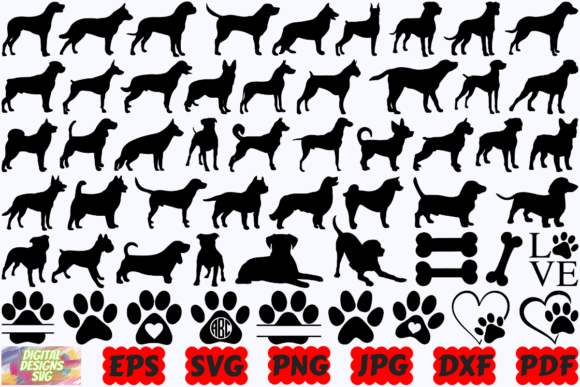
The design’s versatility also adds to product value. Because it comes in EPS, SVG, JPG, and PNG formats, you can use it for mockups, printable labels, or even heat transfer if you want to offer a non-embroidered version. For a craft business, having one design that works across multiple product types is a huge time-saver. I used the SVG to create a printable mockup for my listing, and the JPG for a quick preview on social media. The consistency between the digital and stitched versions builds trust with customers—they know exactly what they’re getting.
For holiday gifts or personalized items, the “Lucky Dog” theme is easy to pair with any dog breed or color scheme. I’ve seen similar designs sell well at craft fairs, especially when matched with a specific dog’s name. The design has enough personality to stand alone, but it also leaves room for customization. That’s a big plus for boutique product lines or small shop merchandise.
Practical Designer Notes for Embroidery Success
Before you load this design into your machine, here are a few steps I always take with any SVG or vector file that’s not originally a machine embroidery file:
- Test on scrap fabric first. The SVG may look perfect on screen, but stitch density can vary depending on how you digitize it. Run a small test to check thread tension, underlay, and fabric pull.
- Check thread color contrast. The original design likely uses black line art. Decide if you want a matching thread color or a contrasting one. For light fabrics, a dark thread works; for dark fabrics, use a bright or metallic thread to make the dog pop.
- Review stitch density. If you’re converting the SVG to a fill stitch, avoid super dense areas. The dog’s body can be a solid satin or tatami fill, but keep the lettering as a clean satin stitch to avoid blurring.
- Confirm hoop size. The design is scalable, but make sure your hoop can accommodate the width you want. For a 4x4 hoop, keep the design under 3.5 inches wide to leave room for centering.
- Inspect small details. Look at the dog’s eyes, ears, and tail. If those areas are too fine, simplify them or enlarge the design. Tiny details can break or become messy in the finished product.
- Test in black and white mockups. A grayscale preview can reveal areas where the design might look muddy or unbalanced. It also helps you see if the lettering is legible at smaller sizes.
- Compare light and dark fabric backgrounds. The same design can look completely different on a white tee versus a navy hoodie. Adjust your thread colors accordingly.
- Use proper stabilizer. For most cotton and poly blends, a medium-weight cut-away stabilizer works best. For stretchy fabrics, add a layer of tear-away or a fusible stabilizer to the garment.
- Check licensing before selling. The product description says you can print the design for a sweater, mug, pillow, and other products. But if you plan to sell the finished items or the digital files, verify the license terms. Most SVG sets for Crafts and Graphics allow commercial use of physical products, but digital resale may be restricted. Always read the fine print.
Final Thoughts: Is This Design Worth Your Time?
As an embroidery designer and product reviewer, I’m always looking for digital files that cross the bridge from screen to stitch without frustration. The Lucky Dog SVG Cut Files does that well. It’s not a complex or intricate design, but that’s its strength. It’s clean, recognizable, and easy to work with. It fits naturally into a small business owner’s lineup—whether you’re making custom apparel, personalized gifts, or boutique merchandise.
I’ve already added it to my go-to list for dog-themed product requests. If you’re an Etsy seller, a craft fair vendor, or a creative entrepreneur looking for a reliable design asset that won’t let you down in the hoop, this is a solid choice. Just remember to test, adjust for your fabric, and respect the licensing. And if you’re making a tote bag for a lucky pup owner, you’ll likely get a lot of happy tail wags in return.