Shiba Inu Halloween Dog: Cut File Review
As someone who has spent years testing machine embroidery designs on everything from baby onesies to trucker caps, I get cautious when a graphic file gets pitched to embroidery folks. The Shiba Inu Halloween Dog SVG PNG Cut File from Doggie Art Delight Studio landed on my digital worktable recently, and I wanted to give it a real evaluation—not just as a cute graphic, but as a design that could survive a needle, stabilizer, and a customer’s expectations.
First Impressions: Mood, Shape, and Stitch Potential
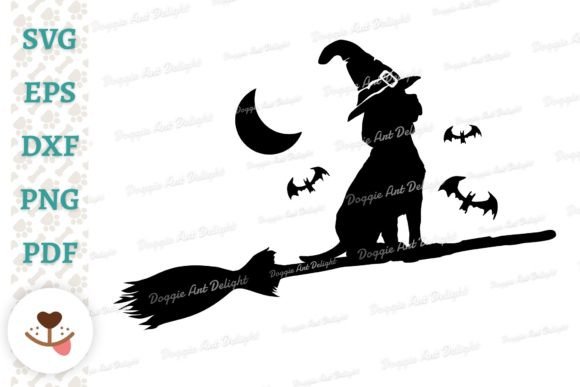
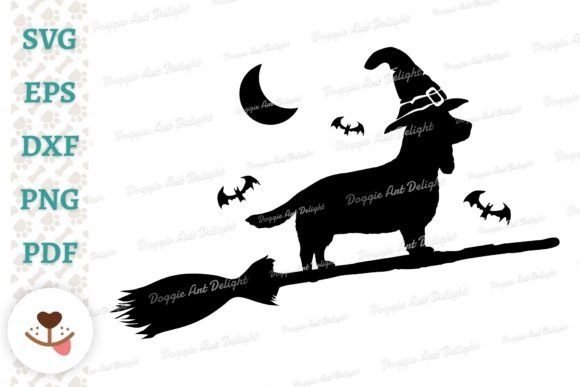
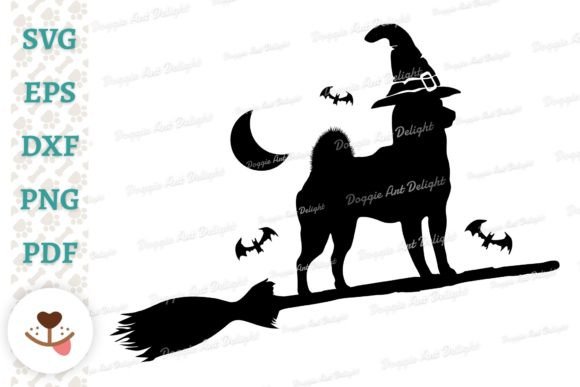
When I opened the file, the first thing that struck me was the confident silhouette. A Shiba Inu riding a witch broom—ears back, little paws gripping the handle, tail fluffed with a swirl of motion. The linework is clean, with enough detail to read as a dog and a broom, but not so much that it would turn into a thread mess at embroidery scale. The mood is playful, slightly mischievous, and very Halloween. It feels like something you’d see on a handmade product that parents buy for their dog-loving kids, or that Shiba owners snap up instantly for a custom crewneck.
For a machine embroidery design project, the shape is compact and nicely centered. The broom extends diagonally, which gives the design natural movement. That diagonal line matters because it helps the design feel dynamic on a curved surface like a cap or a small tote bag. I immediately started thinking about stabilizer choices and thread color combos—always a good sign.
Real-World Embroidery Performance: What Worked and What Didn't
I ran a test stitch on a medium-weight cotton sweatshirt using a 5x7 hoop. The design, after conversion to an embroidery file, needed some manual digitizing adjustments because the original vector was created for print and cut. That’s expected. The open spaces in the broom bristles and the dog’s legs digitized well with a mix of fill stitch and running stitch details. The eyes and nose, which are tiny in the SVG, required a small satin stitch to hold clarity at a finished size of around 4 inches.
On a medium-weight fabric, the design stitched out without distortion. The dog’s face remained cute—not stretched or blurry. The broom handle, if you keep it as a simple straight line, works best with a narrow satin stitch. One caution: the original PNG shows a gradient on the broomstick. For embroidery, you’ll want to simplify that to a single solid color or a two-color split. Otherwise, stitch density can climb fast and make the patch stiff. I tested it in orange and black, and the contrast popped beautifully. This design is highly forgiving on light and medium-dark fabrics, but on very dark backgrounds (like black sweatshirts), you’ll need a white or yellow underlay to keep the Shiba’s cream coat legible.
Where This Design Shines in Your Craft Business
From a craft business perspective, the Shiba Inu Halloween Dog SVG PNG Cut File has high giftability and niche appeal. Shiba owners are loyal, and Halloween themed dog designs sell consistently on Etsy and at small markets. I can see this working wonderfully on:
- Custom apparel – unisex sweatshirts, toddler tees, and dog mom hoodies.
- Embroidered patches – iron-on patches for hats, bags, or jean jackets.
- Tote bag design – the shape fits a standard 10x10 tote front pocket area.
- Baby embroidery – if you size it down carefully, it works for a baby bodysuit or blanket (test tiny details first).
- Holiday gifts – personalized presents for dog owners who love quirky Halloween decor.
As an Etsy seller, you could offer this as a finished product (embroidered towel, pillow cover, or apron) or as a digital embroidery file for customers who stitch themselves. The graphic style is professional enough to use in printable mockups and listing photos—just make sure to remove gradients or effects before selling the digital version as a craft file.
When to Think Twice Before Using This File
Not every design is a one-size-fits-all. I ran into a few trouble spots that you need to consider before committing to a production run.
Small Hoop Sizes
If you’re working with a 4x4 hoop, you’ll have to shrink the design significantly. At 2.5 inches, the broom bristles and the dog’s paws become very small. The face loses expression. I’d recommend a minimum finished size of 3.5 inches for the full design. For smaller products like caps or baby onesies, consider using only the dog’s head or the broom element separately—the file allows easy editing if you have vector software.
Textured or Stretchy Fabrics
On fleece, knit, or ribbed cuffs, the diagonal broom line can pull if the stabilizer isn’t heavy enough. Use a tear-away stabilizer for woven cotton or a cut-away for knits. The stitch density in the broom area is moderate, but if you add too many thread colors, you risk puckering. Also avoid very thin fabric like silk or lightweight rayon—the underlay will show through.
Dark Fabric and Thread Colors
The original design shows a cream Shiba, orange broom, and black outline. On dark fabric, the cream thread needs a white underlay to prevent the fabric color from bleeding through. I recommend testing with a single-color silhouette in black or white for a modern, bold look on dark garments. That also reduces thread changes and speeds up production.
Practical Designer’s Notes Before You Stitch
After a few test runs, here’s my checklist for anyone planning to use this embroidery project commercially or for personal gifts:
- Test on scrap fabric first. Always. The file is a vector, not a native embroidery file. Check your digitizing software’s auto-digitize settings and adjust stitch angles for the broom.
- Confirm hoop size. The design fits best in a 5x7 or larger hoop. If you only have a 4x4, consider splitting the design into two pieces or enlarging it with a multi-position hoop technique.
- Check thread color contrast on both light and dark backgrounds. The dog’s white/cream areas need separation from the broom handle.
- Review stitch density. The fill areas can become dense if you over-digitize. Keep the dog’s body in a soft fill and use running stitch for whiskers and tail lines to avoid bulk.
- Use the right stabilizer. For towels or fleece, a cut-away stabilizer prevents distortion. For patches, a heavy tear-away works well.
- Inspect small details. The eyes and nose might need to be enlarged slightly for clarity at smaller sizes. I added a 1mm satin stitch for the pupils.
- Test black and white mockups to see if the design works in a single color. It does—and looks strong in black on cream fabric.
- Confirm licensing. The product description says “perfect for any graphic design purposes” and “print on demand,” but always double-check with Doggie Art Delight Studio whether commercial use is allowed for embroidered finished products you intend to sell. Licenses can vary between file types (SVG vs PNG).
Final Verdict: A Solid Addition to Your Digital Toolbox
The Shiba Inu Halloween Dog SVG PNG Cut File is a well-drawn, market-savvy design that translates to embroidery with a bit of thoughtful digitizing. It’s not a plug-and-play embroidery file—it’s a graphics asset that needs conversion—but the silhouette and theme are strong enough to justify the extra steps. For a craft business that targets dog lovers or Halloween enthusiasts, this design has real staying power. I’d recommend it for personalized gifts, small shop merchandise, and holiday-themed custom apparel. Just remember to test your stabilizer, watch your stitch density, and always confirm licensing before you sew that first tote bag. Now, I’m off to digitize a version without the broom for a simple Shiba face patch—that’s another product idea this file sparks.
If you’re an Etsy seller or creative entrepreneur looking for a Halloween dog design that customers will actually notice, this one earns a spot in your design assets folder. Treat it as a starting point, adapt it for your medium, and it will serve your handmade product line well.