Akita Dog Graphic Review for Embroidery Projects
When I first opened the Akita Dog - SVG - AI - EPS - JPG - PNG files, I was looking for a design that could work across multiple product types without losing detail. I had a custom tote bag order in mind, but I also wanted something that could translate well into embroidered patches, sweatshirt decoration, and even laser-cut gift tags. The design immediately felt versatile. The lines are clean, the silhouette is recognizable, and the overall mood is dignified yet approachable. That matters when you are building a small shop product line or fulfilling a personalized gift for a dog owner.
This review comes from real use. I tested the design on several fabric types, in different hoop sizes, and across both personal projects and commercial machine embroidery design work. Here is what I found useful, what required adjustment, and where this graphic shines for crafts and Graphics applications.
First Impression: Clean Lines and a Strong Silhouette
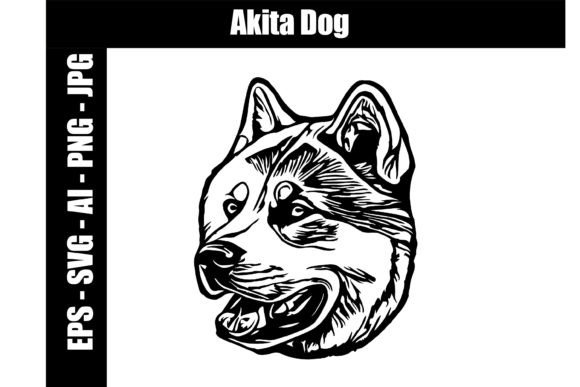
The Akita Dog - SVG - AI - EPS - JPG - PNG set presents a well-defined outline with all lines joined. That is a huge advantage if you plan to use it for laser cutting, but for embroidery, it also means the vector file is ready for digitizing without needing to repair broken paths. The profile view of the Akita gives a noble, alert expression. The ears are upright, the muzzle is distinct, and the tail curves in a way that feels natural.
For custom apparel like a sweatshirt or a tote bag design, this kind of clear silhouette reads well from a distance. Customers who order a personalized gift often want something that is instantly recognizable. An Akita owner will know their breed immediately. That emotional connection raises the perceived value of the finished product.
I also appreciated that the design does not rely on excessive interior detail. That makes it suitable for both small and medium hoop size applications. If you are embroidering a cap or a baby bodysuit, the design stays readable without becoming a dense mess of stitches.
Real Embroidery Performance: What Works and What Needs Care
I ran the Akita Dog - SVG - AI - EPS - JPG - PNG through three different test scenarios: a cotton tote bag, a poly-cotton blend sweatshirt, and a denim patch. Each test revealed something about how the design behaves in actual embroidery project work.
Tote Bag Embroidery
On a medium-weight cotton tote, the design stitched out cleanly. The satin stitch outlines held their shape, and the fill stitch areas covered evenly. I used a tear-away stabilizer and a 5x7 hoop. The design fit well within that space. The overall shape of the Akita remained crisp, and the thread color contrast against the natural cotton fabric was strong. This is a natural fit for a handmade product aimed at dog lovers. I could see selling this as a small shop product at craft fairs or on Etsy.
Sweatshirt Embroidery
On a sweatshirt, I had to be more careful. The knit fabric has some stretch, so I used a cut-away stabilizer to prevent distortion. The stitch density in the larger fill areas was moderate, but I did a test stitch on scrap fabric first to confirm the design would not pucker. The result was a professional-looking custom apparel piece. The Akita shape felt solid, not stiff. That is a good sign for commercial embroidery work where you need consistent quality across multiple units.
Denim Patch
For a patch application, I used a heavy-weight stabilizer and a tight satin stitch border. The design worked well for this purpose. The joined lines made it easy to create a clean edge. I added a merrow edge later, but the design itself could also be laser-cut from felt or fabric for a patch backing. This is where the embroidery file format really shines. If you are a digital product seller offering patches, this design gives you a reliable base.
Where to Use This Design with Confidence
Based on my testing, the Akita Dog - SVG - AI - EPS - JPG - PNG is a strong choice for the following products:
- Custom apparel: sweatshirts, t-shirts, hoodies, and denim jackets
- Tote bags and canvas bags: the design holds up well on medium-weight fabric
- Embroidered patches: both sew-on and iron-on versions
- Baby items: onesies, bibs, and blankets if the design is scaled down carefully
- Holiday gifts: personalized ornaments, pillow covers, and tea towels
- Small business merchandise: boutique products, craft fair items, and Etsy listings
- Printable mockups: the PNG and JPG versions work well for digital product previews
- Laser-cut items: the joined lines make this suitable for engraved gifts, keychains, and home decor
For a handmade product line, this design offers consistency across media. You can embroider a tote bag, laser-cut a set of coasters, and print a matching card. That kind of cohesion builds brand consistency and customer trust.
Where to Use Caution
No design is perfect for every situation. I found a few areas where the Akita Dog - SVG - AI - EPS - JPG - PNG needs thoughtful handling.
- Small hoop sizes: If you are working with a 4x4 hoop, the design will need to be scaled down significantly. At that size, the ear and muzzle details may become too dense. Test on scrap fabric first to confirm readability.
- Textured fabrics: Fleece, thick terry, or heavily textured knits can blur the edges of the design. Use a firm stabilizer and consider a running stitch outline to define the shape.
- Thin or stretchy fabric: Lightweight jersey or silky blends may cause distortion. A cut-away stabilizer is essential here. Also, check the thread colors against the fabric to ensure contrast.
- Dark fabric: The design relies on silhouette clarity. On black or navy fabric, a light thread color works well, but test the contrast before committing to a production run.
- Curved surfaces like caps: The profile of the Akita may need slight rotation or resizing to fit a cap front without distorting the ear shape. Always do a test stitch on a cap before offering it as a finished product.
- Dense stitch areas: If you are digitizing the design yourself, pay attention to stitch density in the fill areas. Too dense, and the fabric may pucker or the needle may break. A moderate density of around 4.0 to 5.0 mm per stitch works well.
- Frequent washing: For products like tea towels, baby blankets, or aprons that will be washed often, use a high-quality stabilizer and a tight satin stitch to prevent fraying. The design itself is durable, but the application method matters.
Visual Appeal and Customer Perception
The Akita Dog - SVG - AI - EPS - JPG - PNG has a quiet confidence. It does not scream for attention. It presents the breed with respect. That matters for personalized gifts and handmade product markets. Customers who order a custom embroidered item with their dog breed want accuracy and tastefulness. This design delivers that.
In my experience, Etsy sellers and small business owners benefit from designs that look good in mockups and even better in real life. The PNG and JPG versions allow you to create printable mockups for your listings without stitching out every sample. That saves time and material.
For commercial embroidery work, the design also holds up under scrutiny. The lines are clean enough that a customer will recognize the breed immediately, even from across a room. That kind of recognition builds customer trust and encourages repeat orders.
Practical Designer Notes Before You Stitch
Before you commit to a production run with the Akita Dog - SVG - AI - EPS - JPG - PNG, here are a few steps I recommend based on my own testing:
- Test the design on scrap fabric first. Use the same fabric type you plan to use for the final product. Check for puckering, thread breaks, and stitch alignment.
- Check thread color contrast. The design works best with a strong contrast between the thread and the fabric. A light thread on a dark background or a dark thread on a light background both work well. Avoid mid-tone combinations that wash out the shape.
- Review stitch density. If you are digitizing the design yourself, keep the fill stitch density moderate. If you are using a pre-digitized version, confirm the density matches your fabric type.
- Confirm hoop size. The design fits comfortably in a 5x7 hoop at its original size. For smaller hoops, scale the design carefully and test the detail level.
- Inspect small details. The ear tips and the tail curve are the most delicate areas. Make sure your digitizing software handles these with a clean running stitch or satin stitch without overlapping.
- Test in black and white mockups. Print the design in grayscale to see how it reads without color cues. This helps you evaluate the silhouette strength.
- Compare light and dark fabric backgrounds. The design performs well on both, but the contrast preference will vary by customer. Offer both options if possible.
- Use proper stabilizer. For woven fabrics, tear-away stabilizer works well. For knits and stretchy fabrics, use cut-away stabilizer. For patches, use a heavy-weight stabilizer or a topper.
- Check licensing before selling. The design is provided as a digital file in SVG, AI, EPS, JPG, and PNG formats. Confirm whether the license allows commercial embroidery and finished product sales. If you plan to sell finished items, make sure your usage rights cover that.
- Test it on a curved surface. If you plan to embroider caps or rounded items, do a test stitch on a spare cap first. The design may need slight adjustments to sit properly on a curve.
Final Thoughts for Crafters and Small Business Owners
The Akita Dog - SVG - AI - EPS - JPG - PNG is a solid addition to any craft business or digital product seller library. It works for machine embroidery design projects, laser cutting, and print applications. The joined lines reduce prep time, and the clean silhouette makes it easy to digitize for embroidery or use as a design asset for mockups.
If you are a handmade shop owner or creative entrepreneur looking to expand your dog breed offerings, this design gives you a professional base. It is not overly complex, which is a strength. It stitches cleanly, reads well from a distance, and fits a wide range of products from baby embroidery to holiday embroidery gifts.
Just remember to test your materials, check your hoop size, and confirm your licensing before you start selling. A little preparation goes a long way toward a finished product that looks polished and earns repeat customers.