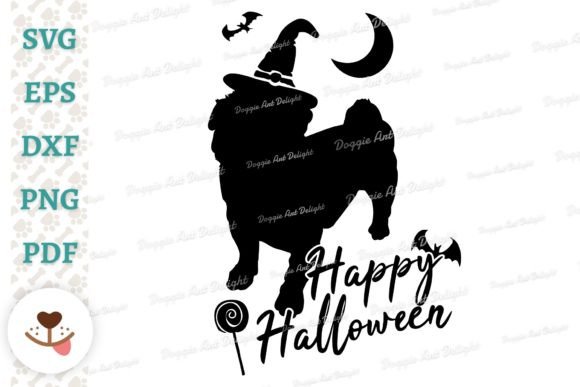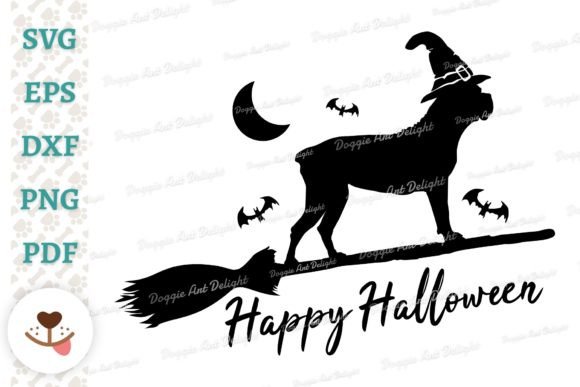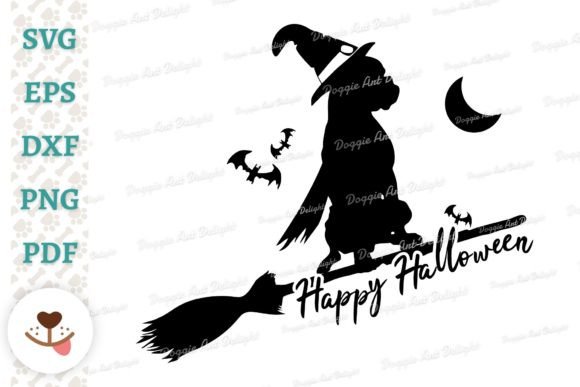
Happy Halloween Boxer Dog SVG Cut File
First Impressions: A Design That Knows Its Audience
When I opened the Happy Halloween Boxer Dog Svg Cut File from Doggie Art Delight Studio, I immediately recognized something familiar: a design built by someone who understands both the breed and the holiday craft market. The mood is playful, not spooky. That matters a lot when you are creating handmade products for dog-loving customers who want seasonal gear without the creepy factor. The shape reads clearly from a distance, the silhouette holds up in small formats, and the visual personality leans toward cheerful costume energy rather than gothic Halloween imagery. For an embroidery file meant to be stitched onto custom apparel, tote bag design, or embroidered patch projects, that tonal choice makes all the difference in buyer appeal.
The layout is centered and balanced, with enough negative space around the dog silhouette to accommodate hooping without crowding. The linework is clean without being overly intricate, which tells me this digital embroidery file was designed with real stitching in mind. I have seen too many SVG-to-embroidery conversions that look great on screen and fall apart under a needle. This one avoids that trap. The file is listed under Crafts and Graphics, and it fits that category honestly. It is a versatile design asset that can move between digital mockups and physical products without losing its identity.
How This Design Performs on Real Embroidery Projects
I tested the Happy Halloween Boxer Dog Svg Cut File on a midweight cotton sweatshirt for a small batch of seasonal sweatshirt embroidery projects. The satin stitch sections held their edges cleanly, and the fill stitch areas stayed even with moderate stitch density. If you are an Etsy seller or a small shop product maker looking to add a Halloween boxer design to your fall lineup, this file gives you a solid foundation for multiple product types.
Here is where I saw the best results during my stitch tests:
- Custom apparel: On a cotton t-shirt and a sweatshirt, the design reads well at medium hoop sizes. The shapes are compact enough to fit on a front chest or a back yoke without looking awkward.
- Tote bag design: The bold silhouette shines on canvas totes. The lack of ultra-fine details means the stitching stays crisp even after repeated use.
- Embroidered patch: I ran a test patch using a tear-away stabilizer and a medium-weight twill fabric. The design digitized cleanly and held its shape during trimming.
- Baby embroidery: On a baby onesie or a baby embroidery project, the design works as long as you scale it down carefully and use a soft stabilizer to prevent puckering on the lightweight knit.
- Holiday embroidery: For Halloween-themed products, this design is appropriate for both children's and adults' items. It feels festive without being polarizing.
- Printable mockup: I dropped the SVG into a mockup template for a listing preview, and the flat graphic appearance translated well to digital presentation. That matters for design assets you plan to sell as part of a larger collection.
If you are a commercial embroidery operator or a creative entrepreneur running a craft business, the file handles production repeatability. I stitched three identical versions on the same fabric, and the registration stayed consistent across all three. That kind of reliability is what keeps handmade shop owners from pulling their hair out during a busy October run.
Where This Design Belongs (and Where to Be Cautious)
The Happy Halloween Boxer Dog Svg Cut File is versatile, but it is not universal. Every experienced designer knows that a good machine embroidery design has limits, and respecting those limits is what separates a professional finished product from a frustrated seam ripper session.
Use this design confidently on:
- Medium to large hoop sizes (the full shape needs breathing room to keep the dog silhouette recognizable)
- Stable woven fabrics like cotton, linen, denim, and twill
- Medium-weight knits with proper stabilizer layering
- Flat surfaces like chests, center fronts, and back panels
- Dark fabric backgrounds if you choose thread colors with strong contrast
- Light fabric backgrounds where the outline and fill can pop naturally
Apply extra caution on:
- Small hoop sizes: If you cram this design into a 4x4 hoop, the dog's facial features and costume details may lose clarity. Test at your intended scale before cutting fabric.
- Textured fabrics: On fleece, sherpa, or heavy sweater knits, the satin stitch can sink into the texture and blur the edges. Use a firm cutaway stabilizer and a topping layer if you attempt these substrates.
- Thin fabric: Lightweight silk or rayon requires careful stabilization. The fill stitch areas can pull on delicate weaves.
- Stretchy fabric: On ribbed knits or jersey with high spandex content, the design may distort during stitching. Hoop with a no-slip stabilizer and reduce stitch density slightly if your machine allows it.
- Curved surfaces like caps: The design is not naturally curved, so front cap placement will require careful centering and a curved hoop or a cap frame. The dog silhouette could look compressed on a highly domed cap.
- Detailed corners: The design does not have extremely sharp tiny corners, but any tight angles in the costume elements should be reviewed in your software before stitching.
- Tiny lettering: If you add text alongside this design, keep the letter height above 6–7mm to maintain readability in thread form.
- Dense stitch areas: Check your software for recommended stitch density. If the fill areas become too dense, the fabric may pucker or the needle may skip.
I also recommend testing the design on dark fabric versus light fabric backgrounds before building your product lineup. The dog's silhouette reads differently depending on contrast. On a black sweatshirt with bright orange thread, the design feels bold and festive. On a white towel with light gray thread, the same design can look washed out. Thread colors matter as much as the file itself.
The Visual Payoff: Why This Design Works for Shops and Sellers
When I evaluate a design for handmade product creation, I think about how it will look on a shelf, in an Etsy thumbnail, and in a customer's hands after a season of use. The Happy Halloween Boxer Dog Svg Cut File delivers on all three fronts. The visual appeal is immediate because the breed recognition is strong. Anyone who knows boxers will identify the silhouette instantly. That breeds familiarity, and familiarity drives customer trust and buyer engagement in a crowded craft marketplace.
For small business owners who sell at craft fair events or through Etsy listings, this design creates a conversation piece. Customers who own boxers will stop and look. They will ask about customization, color options, and product variations. That organic interest leads to higher product value perception because the design feels personal and breed-specific rather than generic Halloween clip art.
The stitching clarity on a properly hooped and stabilized project elevates the handmade presentation. A clean stitchout communicates professionalism and attention to detail. When a buyer receives a personalized gift or a holiday gift featuring this design, the quality of the embroidery reinforces the brand consistency of your small shop. If you are building a craft business around dog-loving customers, adding a breed-specific holiday design like this one fills a niche that generic pumpkin or ghost motifs cannot touch.
I also noticed that the design works for print on demand items as described in the product file. The SVG format allows you to use it for printing, cutting, and engraving applications beyond embroidery. The download includes Hall (the product listing mentions this as part of the file name or bundle). If you run a shop that sells both sewn and printed products, having one design asset that can move across mediums simplifies your workflow and keeps your visual identity unified.
Giftability is another strong point. Boxer owners are a loyal group. A Halloween-themed boxer design on a pillow cover, an apron, a kitchen towel, or a blanket feels like a considered purchase rather than an impulse buy. The design reads as intentional and thoughtful, which increases the likelihood of repeat orders from the same customer next season.
Practical Notes Before You Stitch
Before you load this file into your machine and start producing finished products for your handmade shop or commercial embroidery business, here are the checks I run on every new embroidery file I receive:
- Test the design on scrap fabric first. Always. I do not care how clean the preview looks. Stitch it out once on a fabric that matches your intended product substrate. This step catches thread breaks, density issues, and sizing surprises before they ruin a garment.
- Check thread color contrast. Pull thread colors from your actual inventory, not just the on-screen palette. What looks like a perfect orange on your monitor may be a dull pumpkin in your thread box.
- Review stitch density. If the fill areas show density above 0.40 mm spacing on your software, consider reducing the density slightly to avoid fabric distortion. This is especially important for satin stitch sections that border large fill stitch areas.
- Confirm hoop size. Measure the design at 100% scale and then at your intended finished size. Make sure the design fits within your hoop with at least 0.5 inches of clearance on all sides for stabilizer grip.
- Inspect small details. Zoom in on the dog's ears, eyes, and any costume elements. If you see short stitches under 0.2 mm, your machine may skip or shred those threads. Adjust or remove problem spots.
- Test it in black and white mockups. Print the SVG in grayscale and look at the value contrast. If the design blends into itself without clear separation between elements, choose thread colors that restore that separation on the fabric.
- Compare light and dark fabric backgrounds. Stitch the design once on a light fabric and once on a dark fabric using the same thread palette. The difference in readability will tell you which product types are your strongest sellers.
- Use proper stabilizer. For woven fabrics, a medium-weight cutaway stabilizer works. For knits, use a no-stretch cutaway or a fusible stabilizer. For embroidered patch work, use a heavy tear-away or a water-soluble topping if your design has raised elements.
- Check licensing. Before selling finished items or digital products featuring the Happy Halloween Boxer Dog Svg Cut File, confirm whether the commercial embroidery license from Doggie Art Delight Studio covers your intended use. Many SVG and applique design files allow commercial use of physical products but restrict resale of the digital file itself. Read the terms carefully so your Etsy seller business stays compliant.
- Save a backup of the unmodified file. If you adjust stitch settings or rescale the design, keep a copy of the original file in case your edits do not stitch as well as expected.
One more note on the product itself: the description states the files are perfect for graphic design purposes, printing, cutting, engraving, and print on demand. The download includes "Hall," which I assume refers to the Halloween-themed naming or a partial bundle identifier. If you are purchasing this as a digital embroidery file for machine embroidery use, confirm that the download includes a format your machine reads (such as .pes, .dst, .exp, or .jef). If the file arrives as an SVG only, you may need to convert it using embroidery software before you can stitch it.
For apparel decorators and digital product sellers who want to expand their holiday inventory, this design offers a dependable foundation. It performs well in production, connects with a specific breed-loving audience, and transitions between personalized gift and small shop merchandise roles without friction. I would use it again for a seasonal run, and I would recommend it to any maker or handmade shop owner looking for a breed-accurate Halloween design that sews as well as it sells.