Shar Pei Dog SVG: A Real-World Embroidery Review
As a designer who regularly tests the limits of what a machine can do, I’ve learned that a digital file is only as good as its first stitch-out. The Shar Pei Dog SVG AI EPS PNG JPG landed in my studio with a specific promise: all lines are joined, making it ready for laser cutting. That same structural integrity has huge implications for embroidery. Before I committed this to a client’s premium tote bag, I needed to know how the vector logic would translate into thread. Here is my practical, hands-on evaluation of using this graphic as a foundation for real embroidery work.
The Visual Personality and First Impressions
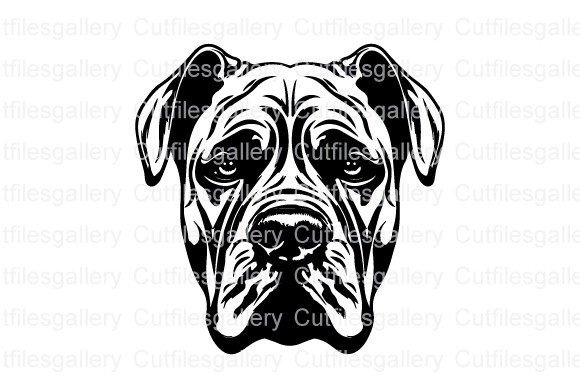
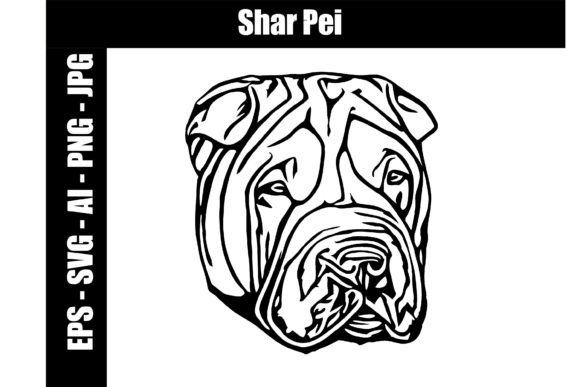
Unpacking the files, the first thing that struck me was the clean, deliberate linework. The Shar Pei is a breed defined by its wrinkles, dignified expression, and sturdy silhouette. The designer captured that without falling into the trap of excessive detail. The mood is calm, loyal, and mature. It is not a cartoon. It is a stylized portrait that feels appropriate for custom apparel, embroidered patches, and high-end handmade products.
Because the lines are joined, the vector path is incredibly efficient. For an embroiderer, this means fewer jump stitches and a smoother outline, whether you are using a satin stitch or a running stitch. The design has a natural focal point: the face. This makes it highly adaptable from a tote bag design to a sweatshirt embroidery placement. It respects the breed’s anatomy while remaining a practical machine embroidery design asset.
Real-World Test: From Digital File to Finished Product
I chose a heavy cotton canvas tote bag for my initial test. My client wanted a professional, boutique look. I imported the SVG into my embroidery file editing software. Because the paths are closed and joined, the software recognized the outlines cleanly. I assigned a deep chocolate brown for the satin stitch border and a warm tan for the fill stitch base.
Here is where the real work began. The wrinkles of the Shar Pei are the key to the design. In the vector, they are represented as distinct enclosed shapes. In embroidery, I had to assign them a separate thread colors and a tighter stitch density to create the shadow effect. The result was a plush, tactile portrait that looked like a miniature embroidered painting. The tote bag felt elevated, not just printed or stamped. This design naturally belongs on structured items where the stabilizer can support the density: custom apparel, embroidered patch projects, and small shop product lines.
I also tested it as an applique design. Because the lines are joined, I used the vector to cut the base fabric shape on my laser cutter, then hooped it with a background fabric. The machine embroidery design then stitched the wrinkles and details over the top. This technique saved thread and gave the project a high-end, dimensional feel. It is a fantastic method for baby embroidery or holiday gifts where you want a soft, plush texture.
Where to Use It and Where to Be Cautious
This graphic is incredibly versatile, but it is not a one-size-fits-all solution. Here is how it performs across different product categories:
- Structured Apparel (Sweatshirts, Jackets, Denim): Excellent. The thick fabric supports the stitch density required to define the wrinkles. Use a medium-weight cutaway stabilizer and a hoop size of 4x4 to 5x7 for a left chest logo.
- Hard Goods (Caps, Aprons): Good, with caution. The vertical orientation of the face fits a cap front well. However, the fabric texture of a cap is stiff, so ensure your embroidery file has adequate underlay to prevent the stitches from sinking into the foam.
- Patches: This is the home run application. The joined lines make it incredibly easy to create a Merrow or satin stitch border. It becomes a badge of honor for a dog lover. Perfect for Etsy seller patch shops.
- Home Decor (Pillow Covers, Tea Towels): Works wonderfully. A small Shar Pei face in the corner of a tea towel is a high-end personalized gift.
- Baby Items & Delicate Fabrics: Use with extreme caution. The stitch density needed for the facial wrinkles can pucker lightweight onesies or thin jersey. If you are doing baby embroidery, keep the design small (under 3 inches) and use a tear-away stabilizer topped with a water-soluble topping.
Fabric textures to avoid: Loose weaves like linen or chunky knits. The detail stitches will get lost in the gaps. Stick to twill, denim, cotton canvas, or medium-weight fleece for the best results.
Technical Notes for Digitizers and Business Owners
Let me be clear: this is a Graphics file (SVG, AI, EPS), not a native digital embroidery file (PES, DST, EXP). You will need digitizing software to convert the vector paths into stitches. This is a critical point for hobbyists and creative entrepreneurs who are newer to the craft.
- Path Separation: The joined lines are great for the outline, but for the fill, you must separate the paths into logical sections (head, snout, ear, wrinkles). This allows you to assign different stitch angles and thread colors.
- Thread Color Strategy: You need a minimum of three colors: a light base, a medium shadow, and a dark outline. The wrinkles rely on value contrast. Using a single color will make the design look muddy. I recommend testing on printable mockup software first to check your palette.
- Stitch Density: The default density from a vector conversion is often too light. You will need to increase it slightly for the fill areas to ensure the fabric does not peek through, but not so much that the design becomes a stiff plate. Test on scrap fabric.
- Commercial Use Licensing: The product falls under Crafts and Graphics as a design assets. You are buying the right to use the artwork. Typically, you can sell the finished product (the embroidered shirt, the tote bag) but you cannot resell the raw SVG file. Always check the specific license from the seller to confirm commercial embroidery rights before you start stitching for clients.
Commercial Value and Craft Business Fit
Is this a smart investment for your craft business? Absolutely. The Shar Pei is a niche breed with a deeply passionate owner community. A high-quality, embroidered product featuring this dog will immediately stand out on Etsy or at a craft fair. It is not a generic puppy face; it is a specific breed portrait. This specificity builds customer trust and commands a higher price point.
For Etsy sellers and small shop product creators, this design allows you to offer personalized gifts that feel custom and exclusive. Whether you are stitching it on a sweatshirt embroidery for a holiday gift or creating a tote bag design for a boutique, the handmade product angle is strong. The vector format also means you can use it for printable mockup images to list your products online, creating a cohesive brand aesthetic.
One of the biggest wins for a handmade shop is the adaptability of the file. Because it is a vector, you can scale it for a baby embroidery onesie, a large center-back jacket design, or a tiny embroidered patch without losing quality. This makes it a versatile asset for your design assets library.
Final Verdict for Your Embroidery Project
The Shar Pei Dog SVG AI EPS PNG JPG is a high-caliber vector graphic that serves as an excellent foundation for professional embroidery. It is not a plug-and-play machine embroidery design that you can load directly onto your machine and stitch. It requires intermediate digitizing skills, a good understanding of stitch density, and a thoughtful approach to thread colors.
However, the clean lines, joined paths, and iconic subject matter make it a deeply rewarding design to work with. It performs best on structured custom apparel and accessories. For the experienced embroiderer or the savvy Etsy seller looking to expand their small shop product line, this digital asset is a powerful tool for creating high-end, handmade products that resonate with a specific audience. If you take the time to test it, adjust the density, and respect the fabric limitations, this design will produce a finished product that looks like a true labor of love.